Call me old school about school, but I have always viewed
the school year as taking up roughly ten months of the calendar year. During that time, teachers introduce students
to a variety of learning activities, attempt to instill solid work habits,
decide what should constitute homework and hope that students leave feeling not
just like they survived but they grew as human beings from the range of
experiences.
There is a growing movement against assigning homework. Some say it does not advance a child’s
learning, particularly up until high school.
Many parents feel it infringes on family time during evenings and
weekends when a child should pursue other interests or simply learn to
appreciate unstructured leisure time.
Still, homework is the norm in most schools and households. But required summer reading effectively
classifies reading during July and August as more homework.

When I was in school, my English grades were good. As for Woodworking (“Industrial Arts”) and
Physical Education, not so much. I
cannot imagine how miserable summer would have been if my wretched Woodworking
teacher required that I build 2 birdhouses and a lamppost over the summer. What if my P.E. teacher had ordered that I
climb a rope three days a week, run laps around my neighborhood and learn to
finally connect the bat to the ball as peers smirked and whispered putdowns
throughout July and August?
The point is, we all have strengths and weaknesses. We also need to make personal choices about
how to spend free time. As much as I
value reading, it should not be incumbent upon me, as a principal or a teacher,
to set forth a reading routine for summer.
I am not there to oversee it. I
should not be prescribing how children and families spend a portion of their
vacation.
I do understand that many parents struggle with developing a
leisure reading habit in their children.
Teachers do their part during the school year, often assigning reading
minutes and requiring students to submit monthly reading charts that document
books/pages/minutes read. At some point,
educators have to step back and see if there are any fruits of their labor.

I have always felt that reading attitudes are more important
than current levels of comprehension and fluency. There are many “aliterate” readers who can
read, but choose not to unless forced.
Yes, I am sure they are one of the targeted groups for required summer
reading. Will their interest grow? Fat chance.
I know firsthand. Beginning
around the middle school years, I stopped reading. At least, I stopped reading school-sanctioned
works—namely, fiction books—unless there was a test on the book. I did, however, spend time reading. I read a great deal in newspapers and magazines. I devoured Mad magazine and wondered why entertaining parodies were never
mentioned in school before high school.
If I had been required to read certain books or a set number of minutes
during the summer, I may have shut down altogether.
I never belonged to a public library summer reading
program. Some kids jump on board, but I
didn’t want a sticker or certificate.
That would only have cemented my then-unwanted geek status. Still, I did bike to the local branch from
time to time, checking out a few books on hockey or orangutans or how to get
rich. I didn’t have to do it on a set
day or time during the week. It was just
an option that I usually tied in with a stop at the convenience store for yummy,
unhealthy summer treats—a Fudgsicle, a pack of gum, a soda or, if I’d just been
paid for mowing the neighbor’s lawn, all of the above.
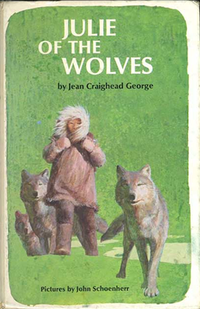
Have we forgotten what summer is about? Did the people who now prescribe summer
reading have miserable vacations when they were growing up or were they the
natural readers who didn’t have to be coerced to read Julie of the Wolves and The
Borrowers?
To be clear, I was not a prolific summer reader. I spent much more time riding my bike, hiking
the escarpment, playing marathon sessions of hide and seek, splashing about in
our pool and engaging in a great deal of imaginative play. Yes, I also watched too much television and
let many afternoons crawl by with my head six inches away from an A.M.
transistor radio. I am thankful that I
had time to be bored and to have to figure out what to do on my own.

I am reminded of one of my favorite picture books, A Fine, Fine School by Sharon Creech. It is one of the few in which a principal is
a main character. Mr. Keene loves school
and his fine students and teachers. In
fact, he so loves seeing how much everyone is learning that he believes more
school will make things even finer.
After all, you can never have too much of a good thing. School on weekends, holidays and, yes,
summer! This wonderful book is always
such an entertaining read-aloud. The
students moan and groan—they even yell!—as I keep stopping the reading and
pretend to jot down Mr. Keene’s ideas about more school…just the thing our
school needs! It takes a student to
(politely) confront the principal to tell him there are other types of learning
that cannot happen at school or under a school’s direction.
During any given school year, I hope teachers do everything
they can to inspire a love of reading. I
hope they have built classroom libraries with new titles and not just dusty
paperbacks with torn covers (although some of the best reads are the ones that
have survived mud puddles and spins in the dryer). I hope teachers have actively been a part of
school and public library visits with their classes. (It surprises and disheartens me when I see
that students do not know their way around libraries. Where are the graphic novels? Where are the books about pets? Where is the Guinness Book of Records?)
I hope that teachers have introduced new types of books
through lively, memorable read-alouds and enthusiastic, informed book
talks. I hope that they have spotted the
pretend readers during silent reading times and tried to find
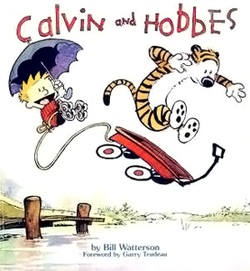
something—anything!—that will pique their interest. Calvin
& Hobbes? Book One from BONE or
Wimpy Kid? The sports section of the
local newspaper? Hopefully, we as
educators have done our part in planting a seed. At some point, I think it is up to the
learner and his family to take over.
Recommended reading lists make more sense than required
reading lists. To be fair, many parents
are not up on what interests today’s ten-year-olds. As nostalgic as we may be, Encyclopedia Brown (thank you, Mr.Sobol!) may not have the appeal it once did, even with new book covers. I think much can be gained from talking with
the classroom teacher during the
school year if a child is not keen to read on his own at home. Also, visit that public library and talk with
the children’s librarian. If you are
lucky enough to live near an independent bookstore with a well-stocked
children’s section, drop in and ask what is selling.
Nothing, however, can replace talking with your own child
about reading. Let him vent if need be
about all the boring books he has been subjected to. Let him tell you what bothers him about
reading. If you haven’t been there along
the way in championing reading, in listening to your child read, in reading to
your child and in reading at the same time your child reads, you have a steep
uphill climb. Still, don’t give up. Pull out a book that has been made into a
movie and read it to, or with, your child.
I worked with a group of readers that hated their teacher’s “old-fashioned”
book choices. I surveyed the group and
downloaded the script from “Despicable Me”, a movie they all said they thought
was hysterical. We did table reads of
the screenplay and improved fluency by re-enacting scenes they chose. The kids loved it. (Watch how a child focuses on reading with
expression when he is trying to emulate a movie character.)

The year before, I encouraged teachers to poll their
students. Instead of creating a Good for
You reading list, why not have the students each nominate a title? The list that goes home lists the title,
author and the student who recommended the book. Now the book isn’t something Miss Chang
suggested, but one that Johnny thinks is good.
(It would also help if students searched online to see which titles are
available at the local library. The
titles should be books that are accessible and won’t totally wipe out a kid’s
lawn mowing/Fudgsicle fund.)
Will some children go all summer without reading anything
more than a cereal box? Yes. Will the reading gap grow? Most definitely. If we are really concerned about the reading
gap over summer, why not change the school calendar? Same number of days, but make the breaks
shorter and over the course of the calendar year. Many educators don’t want to get into that
discussion. Ironically, they like their
extended summers to do what they see fit.
There are some students who genuinely struggle with
reading. Imposing a reading requirement
over the summer may only make things worse.
A parent who tries to help the child read may belittle or
overcorrect. The books may be too
difficult in the first place. The child’s
self-esteem as a reader plummets further and a negative attitude (i.e.,
resistance) grows. If these children
truly need to read in the summer, a tutor or summer school may be an option. These choices may, of course, do more harm as
well.
I don’t believe required readings will close the gap or,
more importantly, improve a person’s desire to read. The same kids who don’t do their homework and
don’t do the home reading during the school year will be the same ones who
don’t do the “required” reading in the summer.
What then happens? Do they start
school in September with a failing reading grade from summer?
I picture my summer birdhouse, too wobbly for any warbler, a
woeful creation. A generous “D” on the
first day back in Woodworking. What a
long school year it would be.
I suppose the Twitter version of this blog post about summer
reading is inspire, don’t require.
What are your thoughts?
I’d love to hear the success stories as well as the frustrations over school
involvement in summer reading.